VALORANT vs CS:GO: How Their Ranking Systems Compare
The competitive VALORANT ranking system revolutionizes transparency in tactical shooters, prioritizing team victory over individual glory while providing immediate feedback that CS:GO lacks. This innovative approach fosters cooperative gameplay and reduces frustration, setting a new standard for competitive FPS experiences.
The competitive gaming landscape has been buzzing with excitement since VALORANT introduced its ranked play system during the closed beta phase. Players have been quick to draw comparisons between VALORANT's approach and the well-established ranking system in CS:GO, and for good reason. While both games share fundamental similarities in how they evaluate player performance, there are some fascinating differences that could shape the future of competitive first-person shooters.
Victory Takes Priority Over Individual Glory
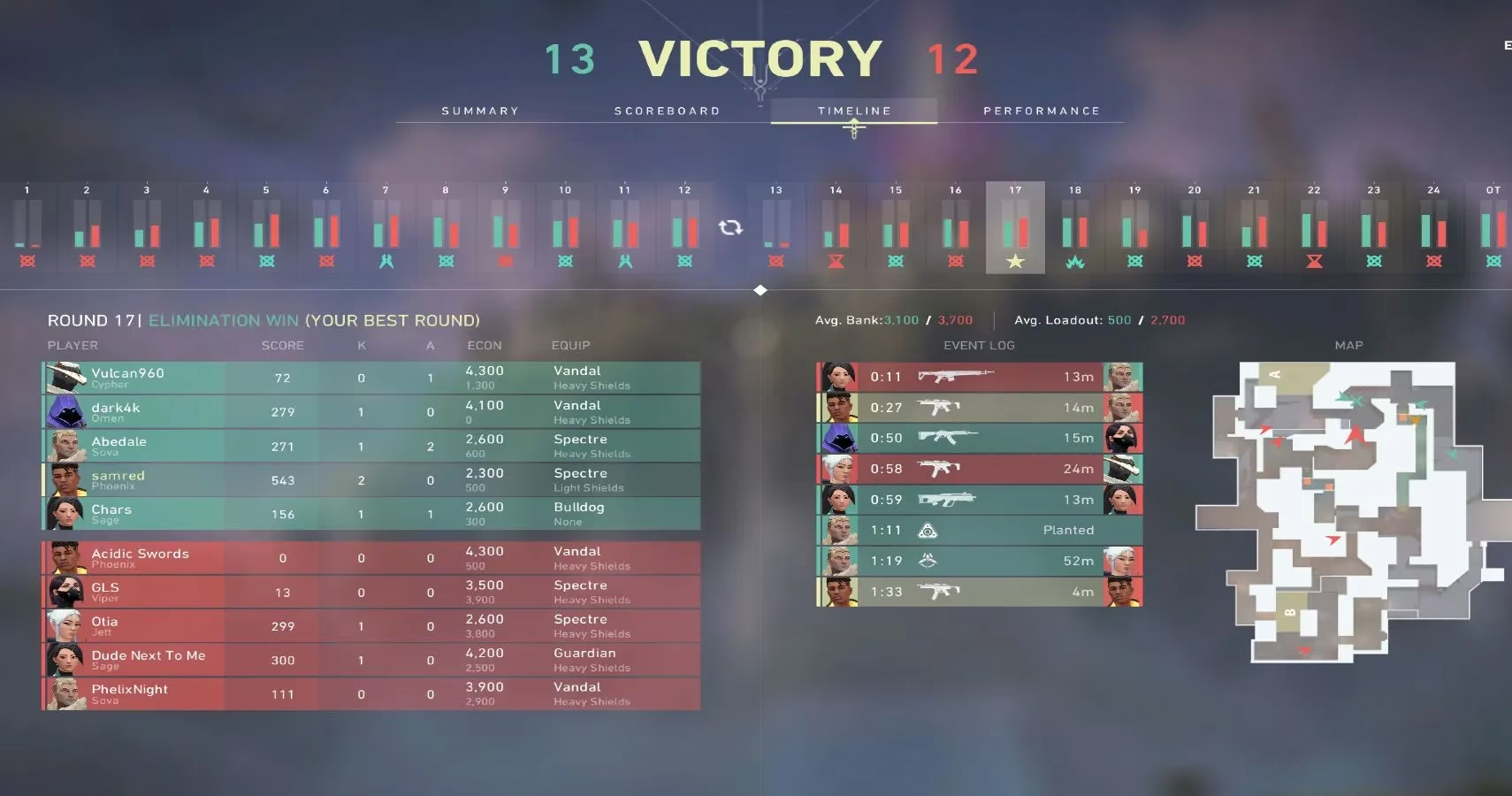
Both VALORANT and CS:GO have made a deliberate choice to prioritize team success over individual performance. This philosophy runs deep through their ranking algorithms. Sure, racking up impressive kill counts and topping the scoreboard will influence your rank progression, but nothing matters quite as much as whether your team secures the win.
This design decision serves a crucial purpose. It discourages the lone wolf mentality that can poison team-based games. Players who focus solely on padding their personal statistics while ignoring team objectives won't find themselves climbing the ranks quickly, even if they're fragging out every match. The message is clear: cooperation and collective victory trump individual heroics. It's a system that rewards players who understand that a tactical shooter is fundamentally about working together, communicating effectively, and making sacrifices for the greater good of the team.
Transparency: VALORANT's Game-Changing Approach
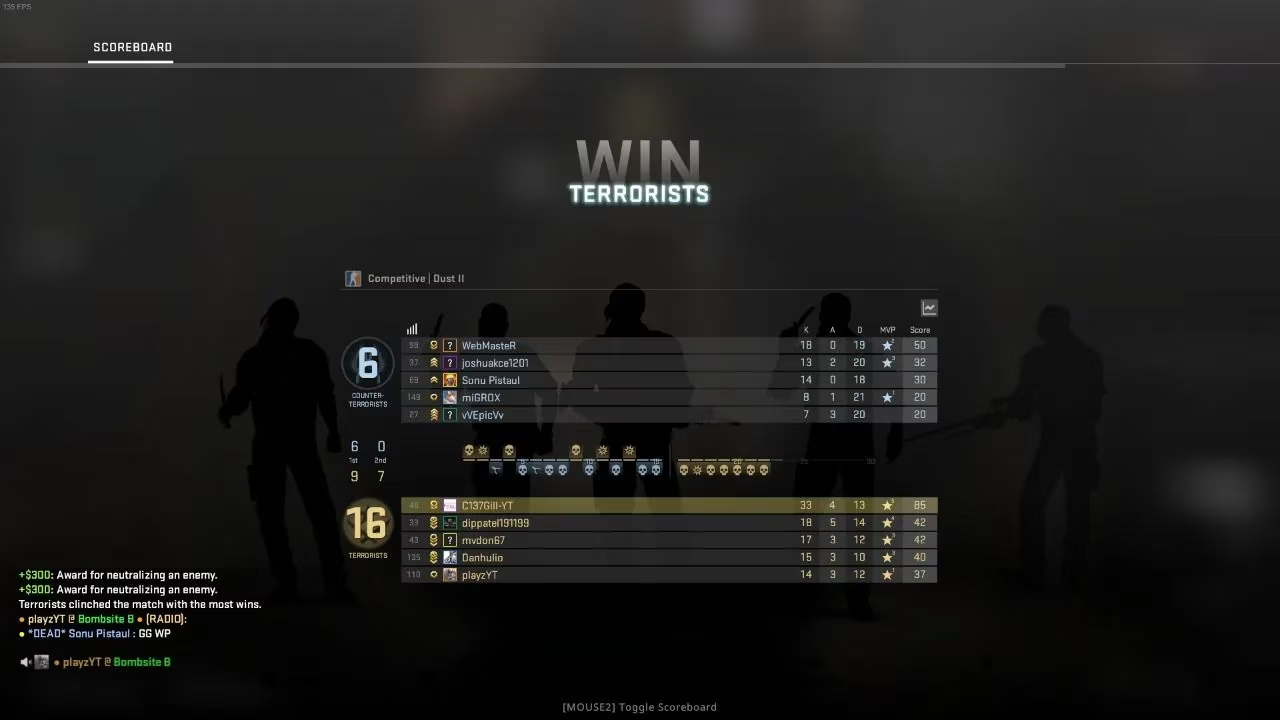
Here's where VALORANT really distinguishes itself from its predecessor. After every single match, players receive immediate feedback about their rank progression. The game tells you whether you've moved up or down, and whether that change was significant or minor. It's a level of transparency that CS:GO players have been requesting for years.
In CS:GO, the ranking experience feels like navigating in the dark. Players grind through match after match with no indication of their progress until they suddenly receive a notification that they've moved to a different rank tier. It's frustrating, to say the least. You could be one game away from ranking up or one loss away from deranking, and you'd have absolutely no idea.
The Psychology Behind the Design
The CS:GO community has debated this opacity for years. Some argue that knowing exactly where you stand could create additional pressure and toxicity. Imagine knowing you're just one win away from the next rank tier – the stakes would feel enormous, and teammates might become more hostile when things go wrong. VALORANT has found an elegant middle ground. Players get enough information to understand their trajectory without knowing precisely how close they are to the next tier. It's transparent enough to be satisfying but opaque enough to prevent excessive anxiety.
Anti-Cheat and Smurfing: Two Different Philosophies
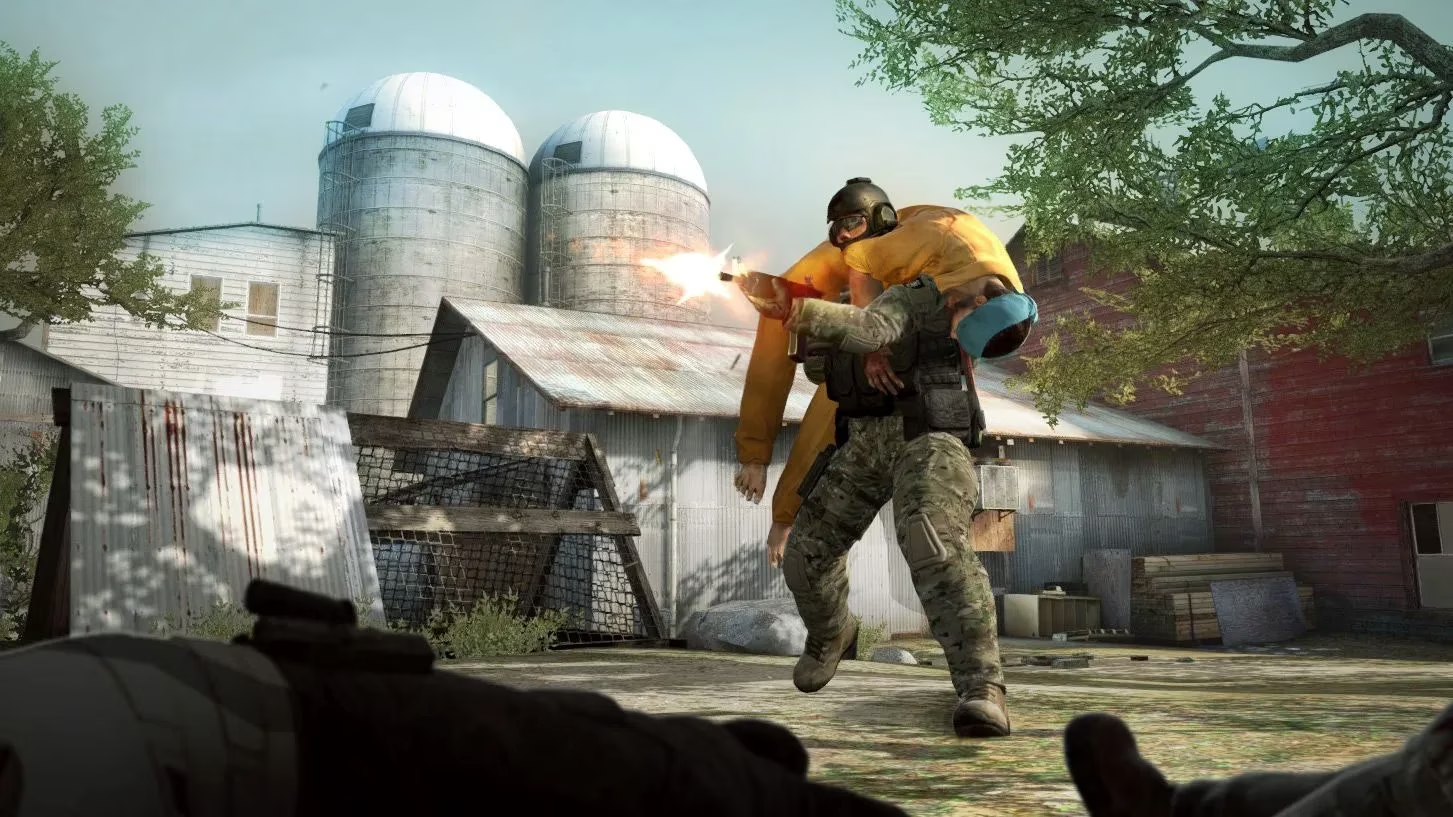
Both games are free to play, but they've taken dramatically different approaches to combating cheaters and smurfs. VALORANT deployed Vanguard, an anti-cheat system that has sparked considerable controversy within the gaming community. Vanguard operates at the kernel level of your operating system, giving it deep access to your computer. While this makes it incredibly effective at detecting cheats, it's also raised legitimate concerns about privacy and potential security vulnerabilities.
CS:GO, on the other hand, uses Prime status. Players can earn Prime automatically by reaching level 21 on their account, or they can purchase it for a modest fee. The barrier to entry is low enough that legitimate players won't mind the investment, but it's enough to deter many would-be cheaters and smurfs who would need to repeatedly purchase Prime for new accounts.
Which System Works Better?
| Feature | VALORANT (Vanguard) | CS:GO (Prime) |
|---|---|---|
| Cost | Free | Small fee or level 21 |
| Invasiveness | High (kernel-level) | Low |
| Effectiveness | Very high | Moderate |
| Privacy concerns | Significant | Minimal |
| Barrier for smurfs | Time investment | Financial/time investment |
The jury is still out on which approach will prove more effective in the long run. Vanguard's aggressive stance might catch more cheaters, but at what cost to user privacy? Prime's financial barrier is less invasive but potentially less effective. Players concerned about security might prefer CS:GO's approach, while those prioritizing a cheat-free environment might appreciate VALORANT's commitment to aggressive anti-cheat measures.
The Evolution of Competitive Gaming
VALORANT's ranking system represents the next evolution in competitive shooter design. Riot Games has clearly studied what works and what doesn't in CS:GO, taking the best elements while innovating in areas where the community has expressed frustration. The increased transparency in rank progression addresses one of the most common complaints about CS:GO's system, while the team-focused ranking algorithm ensures that both games maintain their emphasis on cooperative play.
What This Means for Players
For competitive gamers, these differences matter. If you value transparency and want to understand exactly how your performance affects your rank, VALORANT offers a more satisfying experience. If you're concerned about invasive anti-cheat software and prefer a more traditional approach to competitive integrity, CS:GO might be more appealing.
Both games continue to refine their systems based on player feedback and data analysis. VALORANT, being the newer title, has the advantage of learning from CS:GO's decade-plus of experience. However, CS:GO's established player base and proven competitive ecosystem shouldn't be underestimated.
Looking Ahead 🎮
As VALORANT continues to mature and expand its competitive scene, we can expect further refinements to its ranking system. Riot Games has shown a willingness to iterate and improve based on community feedback, which bodes well for the future. The company's experience with League of Legends' ranked system gives them valuable insights into maintaining competitive integrity at scale.
CS:GO, meanwhile, isn't standing still. Valve continues to update and refine their game, though perhaps at a slower pace than some players would prefer. The competition from VALORANT might actually benefit CS:GO players, as it could motivate Valve to implement some of the transparency features that have proven popular in Riot's shooter.
The Bottom Line
Both ranking systems have their strengths and weaknesses. VALORANT offers better communication and transparency, making the competitive experience feel more rewarding and less mysterious. CS:GO provides a less invasive approach to anti-cheat while maintaining a time-tested ranking system that has served millions of players well.
Ultimately, the choice between these two games comes down to personal preference. Do you want cutting-edge transparency and aggressive anti-cheat measures? VALORANT has you covered. Prefer a more established competitive ecosystem with a lighter touch on system-level access? CS:GO remains an excellent choice.
The competitive FPS genre is healthier for having both options available, and players are the real winners in this scenario. Competition breeds innovation, and as these two titans continue to evolve, we can expect even better competitive experiences in the years to come. 🚀