The Shadows of Victory: How Cheaters Fell from Glory in CS:GO's 2020 Red Bull Flick
Counter-Strike: Global Offensive and FACEIT rocked by aimbot scandal, exposing deception in esports and prompting swift bans for cheaters.
In the neon-lit arenas of competitive gaming, where glory and infamy dance like lovers in the digital twilight, a tale of deception unfolded that would send ripples through the Counter-Strike: Global Offensive community. The year was 2020, and as the virtual dust settles in our 2026 retrospective, the story remains a cautionary whisper among esports enthusiasts.
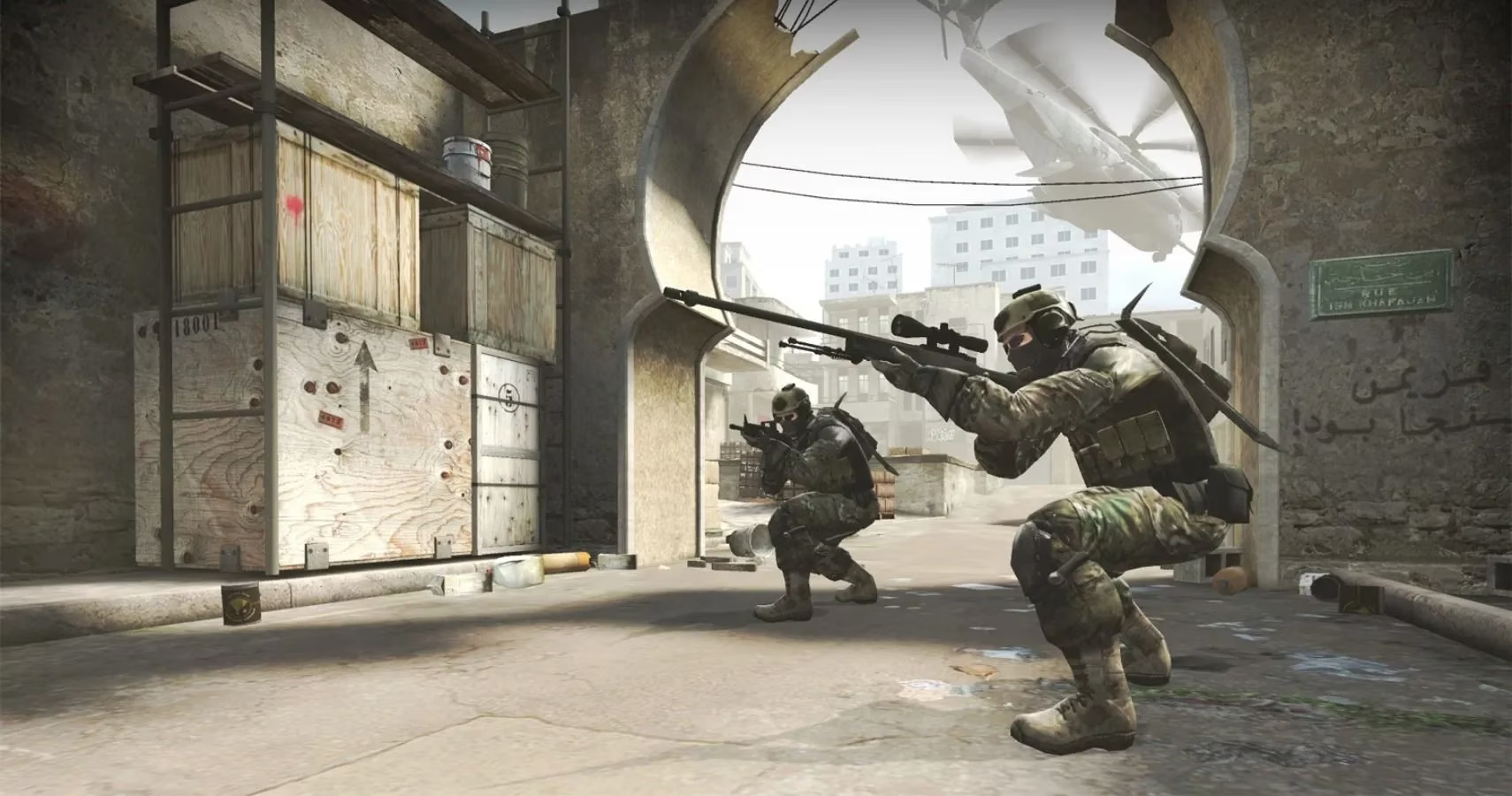
They rose like phoenixes, these digital gladiators known as jezayyyy and woldes, their movements a ballet of precision, their aim seemingly blessed by the gods of gaming themselves. The Finnish air was electric with anticipation as they claimed victory in the 2020 Red Bull Flick finals, their future seemingly paved with opportunities to challenge the titans of professional play in the world final. But as the saying goes, 'if it seems too good to be true, it probably is' – and boy, was that the case here.
The façade crumbled faster than a house of cards in a hurricane. Videos of their tournament performance spread across the internet like wildfire, and to the trained eye, something was 'sus' (as gamers would say). Their crosshairs snapped to opponents' heads with mechanical precision, and enemies hidden behind walls might as well have been standing in broad daylight. The explanation wasn't divine intervention or extraordinary talent – it was the digital equivalent of performance-enhancing drugs: an aimbot.
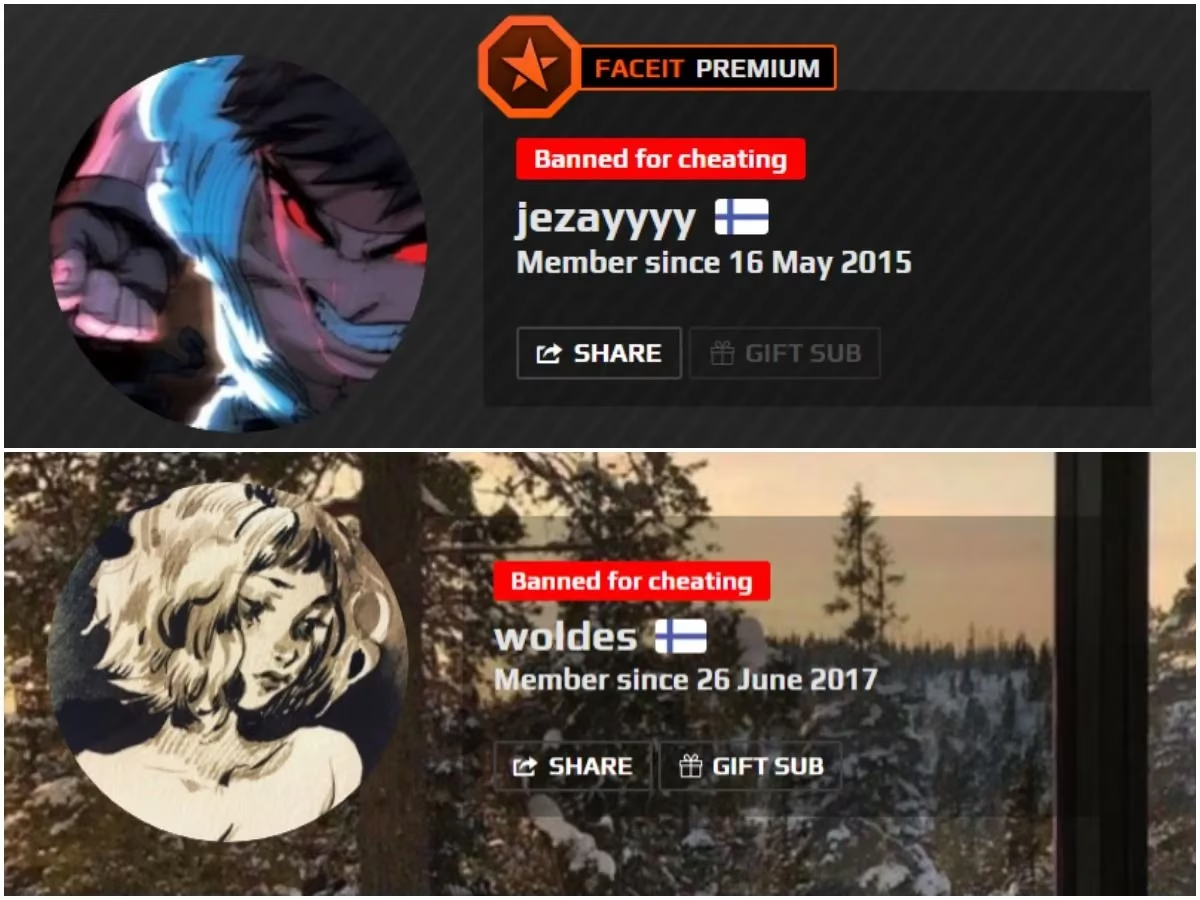
The revelation hit the community like a ton of bricks. These players hadn't just 'pulled a fast one' – they had exploited technical issues plaguing FACEIT, the tournament organizers, whose systems lacked the latest cheat-detection capabilities that would normally have caught such blatant violations automatically. It was the perfect storm of opportunity and audacity.
But the rabbit hole went deeper than anyone initially suspected. It wasn't just our infamous duo who had decided to walk the path of dishonor. In a shocking twist that left the community gobsmacked, investigations revealed that a staggering 80 players across various competitions on the FACEIT platform had been employing similar underhanded tactics.
The hammer of justice fell swiftly and without mercy. All cheaters, including jezayyyy and woldes, found themselves permanently banned – their digital dreams turned to dust. As they say in gaming circles, they got "rekt" by the consequences of their own actions.
Red Bull's response echoed through the community with both gratitude and contrition: "Thank you to everyone in the community who helped raising awareness of this case, and a sincere apology to all players who have been directly affected by the incident." It was a bittersweet acknowledgment of both community vigilance and organizational oversight.
From the ashes of controversy, Mikzuu and ykis, the second-place finishers who had competed with integrity, were elevated to represent the tournament in the EU Closed Qualifiers. Their story became one of redemption – the honest players who got their shot despite the machinations of cheaters.
The Ripple Effects: How 2020's Cheating Scandal Changed Competitive Gaming
The aftermath of the 2020 Red Bull Flick scandal catalyzed significant changes in esports integrity measures. Tournament organizers across the globe took a long, hard look at their anti-cheat systems and implemented more robust solutions. The incident became a watershed moment in competitive gaming history.
By 2026, cheat detection has evolved dramatically. Modern tournaments employ AI-powered systems that can detect suspicious mouse movements and aim patterns in real-time, coupled with hardware verification protocols that would make even the most sophisticated cheaters think twice before attempting to game the system.
The community, too, has evolved. There's now a "zero tolerance" attitude toward cheating that permeates all levels of play. As one popular streamer put it: "Cheaters never prosper – they just get perma-banned and become cautionary tales for the next generation."
The Human Element: Understanding the Temptation
What drives players to risk their reputations and careers for temporary advantage? Sports psychologists have identified several factors:
-
🏆 Pressure to perform
-
💰 Financial incentives
-
🧠 Cognitive dissonance ("everyone else might be doing it")
-
🌟 The allure of fame
The jezayyyy and woldes case study is now featured in esports ethics courses worldwide, a stark reminder of how fleeting ill-gotten gains can be. Their names have become synonymous with the dangers of choosing shortcuts over skill development.
Legacy and Lessons
Six years later, the competitive CS:GO scene (now evolved into newer iterations) stands stronger for having weathered this storm. Tournament integrity measures have become more sophisticated, and the community has developed a sharper eye for detecting suspicious play.
The Red Bull organization, to their credit, transformed this potential PR disaster into an opportunity for growth, implementing one of the most comprehensive anti-cheat frameworks in esports history for their subsequent events. They turned lemons into lemonade, or as gamers might say, they "clutched" a bad situation.
For aspiring competitors in 2026's hyper-competitive gaming landscape, the message remains crystal clear: the path to glory lies not in software exploits but in the countless hours of legitimate practice, the development of game sense, and the cultivation of teamwork. As the old gaming proverb states: "Git gud" – there are no shortcuts to true mastery.
In the end, jezayyyy and woldes didn't just lose a tournament opportunity – they lost their place in the community they sought to impress. Their legacy serves as a digital scarlet letter, a reminder that in the world of competitive gaming, your reputation is your most valuable asset, and once squandered, it's nearly impossible to respawn.
The Counter-Strike community continues to thrive, built on foundations of skill, dedication, and integrity. The shadows cast by those who chose to cheat serve only to highlight the brilliance of those who compete with honor – the true champions whose victories need no asterisk beside their names.
As we look toward the future of competitive gaming in 2026 and beyond, we can be certain that while the games may change, the values of fair play and honest competition remain timeless. In the immortal words of gaming culture: "That's just how we roll."