My Journey Through CS:GO's Skin Gambling Underworld: A Veteran Gamer's Perspective
The CS:GO skin gambling controversy reveals how digital assets sparked an underground economy, leading to addiction and major legal battles that reshaped gaming.
In the shadowy corners of the gaming world, where pixels meet profit, I've witnessed the rise and fall of an underground economy that nearly brought one of gaming's giants to its knees. As we stand in 2026, looking back at the controversial CS:GO skin gambling saga that peaked a decade ago, I can't help but reflect on how this phenomenon transformed both the gaming landscape and countless players' lives—including my own.
The Rise of Digital Value
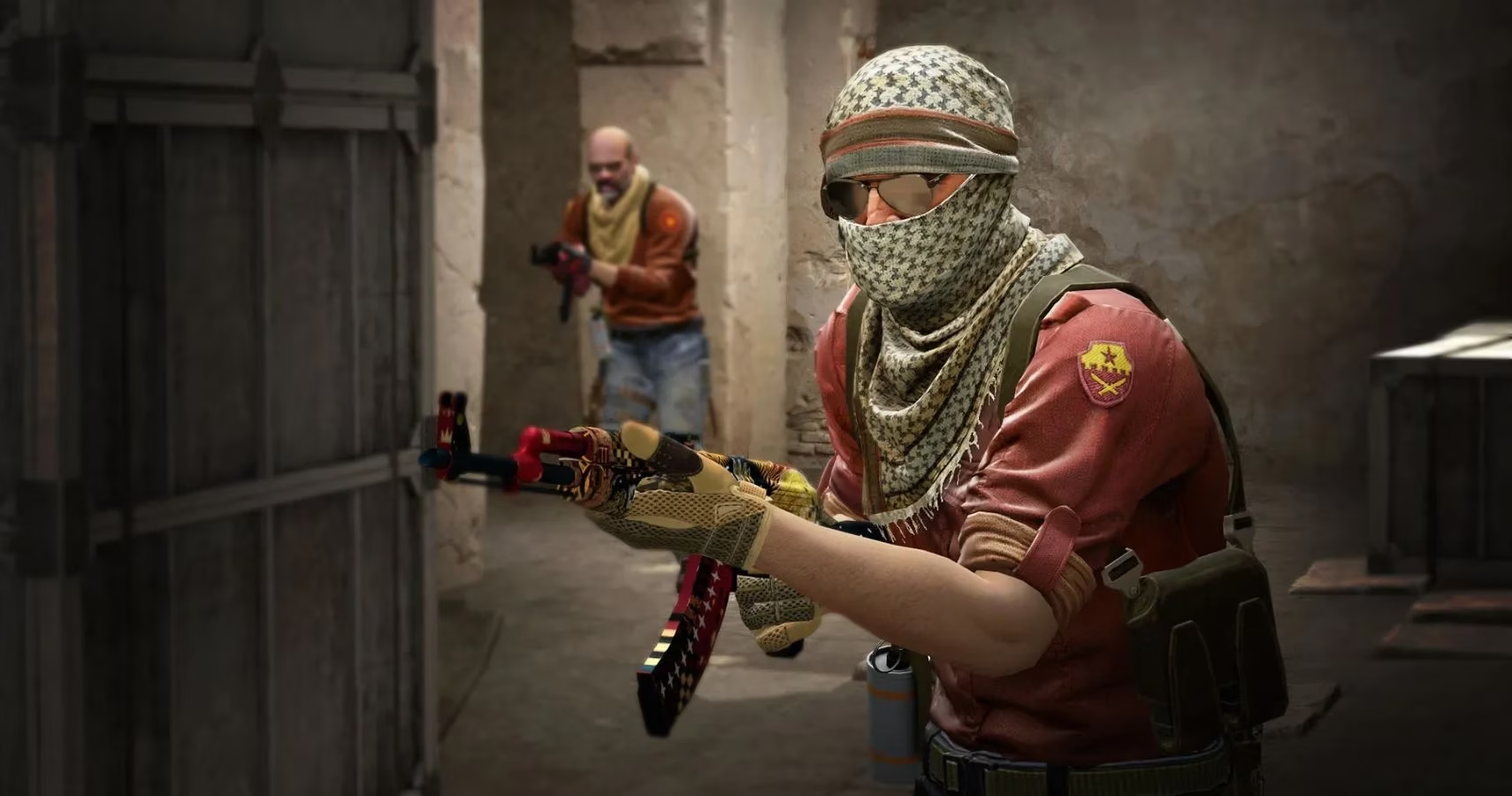
When I first started playing Counter-Strike: Global Offensive seriously around 2015, I was mesmerized by the colorful weapon skins that transformed ordinary virtual firearms into coveted status symbols. What began as simple cosmetic enhancements quickly evolved into something far more complex—digital assets with real-world value that sometimes exceeded $1,000 on the Steam Market.
I remember the first time I unboxed a rare knife skin—the adrenaline rush was comparable to hitting a jackpot at a casino. My hands trembled as I realized this collection of pixels was worth several hundred dollars. Little did I know that this system would eventually spark legal battles that would echo throughout the gaming industry for years to come.
Down the Rabbit Hole
The ecosystem surrounding these digital items grew exponentially. Third-party websites like CSGO Wild emerged from the shadows, offering players the chance to gamble their skins on esports match outcomes. I watched friends transform from casual players into obsessive gamblers, constantly checking odds and matches, their gaming experience entirely consumed by the potential financial gain.
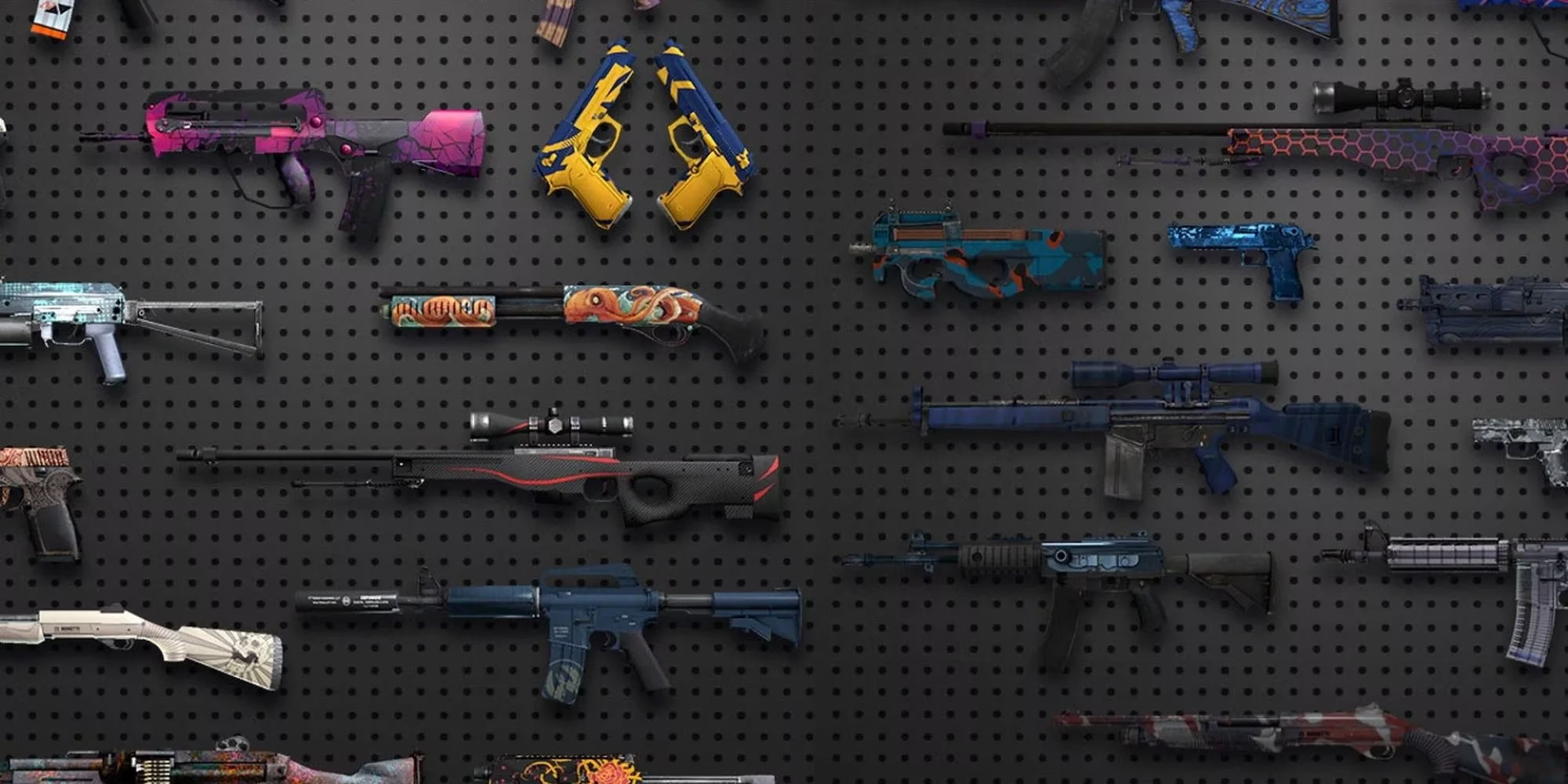
One particular teammate—let's call him Alex—began spending his entire paycheck on weapon cases. What started as a $20 weekly indulgence spiraled into thousands of dollars siphoned from his savings account. His story wasn't unique; the Bloomberg report that exposed this underground economy featured countless similar tales of addiction and financial ruin.
The Legal Battlefield
By 2016, the bubble began to burst. Parents discovered their credit cards maxed out as their children purchased countless weapon cases, not just for the skins themselves but as entry tickets to an unregulated gambling ecosystem. The lawsuits against Valve came in waves, with parents claiming the company facilitated illegal gambling operations.
I followed these cases intently, partly because I had witnessed firsthand how this system affected vulnerable players. The allegations were serious: that Valve had created and maintained a black market for unregulated gambling through CS:GO skins.
For years, these legal battles raged on. Many cases were forced into arbitration as stipulated in Steam's user agreement. The arbitrators consistently ruled that plaintiffs couldn't conclusively prove Valve operated or directly facilitated these third-party gambling sites—a technical distinction that proved crucial.
The Final Stand
When the gambling charges failed to stick, parents attempted a different approach, targeting the weapon cases themselves under Washington's Consumer Protection Act. Their argument? That these cases were essentially loot boxes that failed to disclose odds—a practice that has since become regulated in many jurisdictions worldwide.
Valve's defense was multifaceted. They maintained that loot boxes weren't gambling, but interestingly, the judge dismissed the case on different grounds entirely. Parents admitted in depositions they only learned about skin gambling after discovering unauthorized charges—meaning Valve's disclosure practices wouldn't have prevented the situation.
By January 2022, the final case against Valve was dismissed with prejudice. While the company emerged legally victorious, the controversy permanently altered how the gaming industry approaches in-game monetization.
The Landscape Today in 2026
Looking around at today's gaming environment, the ripples from the CS:GO skin gambling controversy are evident everywhere. Regulations now mandate odds disclosure for loot box systems across most major markets. Age verification systems for in-game purchases have become increasingly sophisticated. Parents have tools that would have been unimaginable a decade ago.
The CS:GO economy itself has evolved significantly. Valve implemented numerous safeguards to prevent the recurrence of the gambling ecosystem that once flourished in its shadows. Trading restrictions, cooldown periods, and enhanced monitoring systems now form a comprehensive barrier against exploitation.
For players like me who lived through this era, there's a certain nostalgia mixed with relief. The wild west days of skin gambling represented both the exciting frontier of digital ownership and the dangerous uncharted territory of unregulated virtual economies.
Lessons Learned
The most valuable takeaway from this saga isn't about legal precedents or corporate responsibility—it's about understanding the psychology behind virtual items and their perceived value. I've seen rational people make irrational decisions when digital scarcity creates real desire.
As virtual reality and the metaverse continue expanding in 2026, these lessons become increasingly relevant. Digital ownership has only grown more complex, with NFTs and blockchain-based gaming assets creating new frontiers of value and potential exploitation.
For parents, gamers, and developers alike, the CS:GO skin gambling controversy serves as both cautionary tale and guidebook. It reminds us that innovation often outpaces regulation, and that the line between entertainment and addiction can blur imperceptibly until it's crossed.
My own relationship with gaming has been forever altered by witnessing this phenomenon. I now approach in-game economies with both appreciation for their complexity and awareness of their potential pitfalls. The thrill of unboxing rare items remains, but tempered with the wisdom that comes from seeing an industry learn its lessons the hard way.
As we continue advancing into new digital frontiers, let's carry these lessons forward—ensuring that the games we love remain sources of joy rather than gateways to exploitation.
Recent trends are highlighted by Esports Earnings, which meticulously tracks the financial impact of competitive gaming. Their data on CS:GO tournaments reveals how the influx of skin gambling and virtual item trading contributed to record-breaking prize pools and player earnings, underscoring the profound influence of digital economies on the esports landscape.