My Journey Through CS:GO: Habits That Make or Break Your Game
Master Counter-Strike 2's tactical gameplay by avoiding critical mistakes that hinder team performance. Learn how common habits like poor communication and lone-wolf tactics can sabotage your competitive success.
After more than a decade of dominating the competitive FPS scene, Counter-Strike remains the gold standard for tactical shooters. As we move through 2025, even with the transition to Counter-Strike 2, the fundamental gameplay elements that made CS:GO legendary continue to define the experience. Having logged thousands of hours in this iconic game, I've witnessed firsthand how certain habits can either elevate or completely destroy your performance.
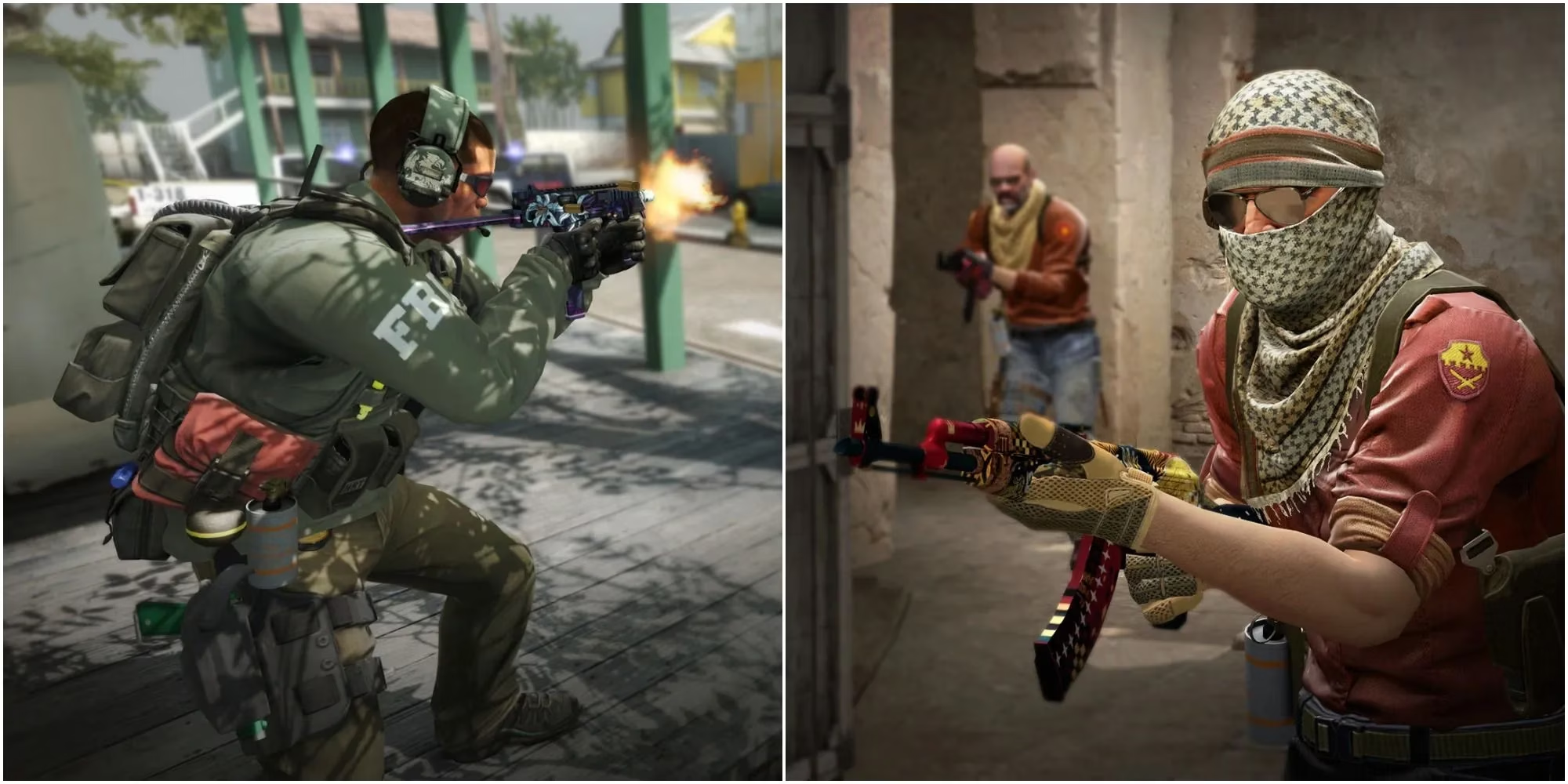
The Lone Wolf Syndrome
Have you ever found yourself the last player standing, surrounded by enemies, with your dead teammates spectating your every move? I certainly have—more times than I care to admit.
The temptation to break formation and hunt for those highlight-worthy kills is something I've struggled with throughout my CS career. Counter-Strike is fundamentally team-based, yet so many players (myself included at times) approach it like a solo death match.
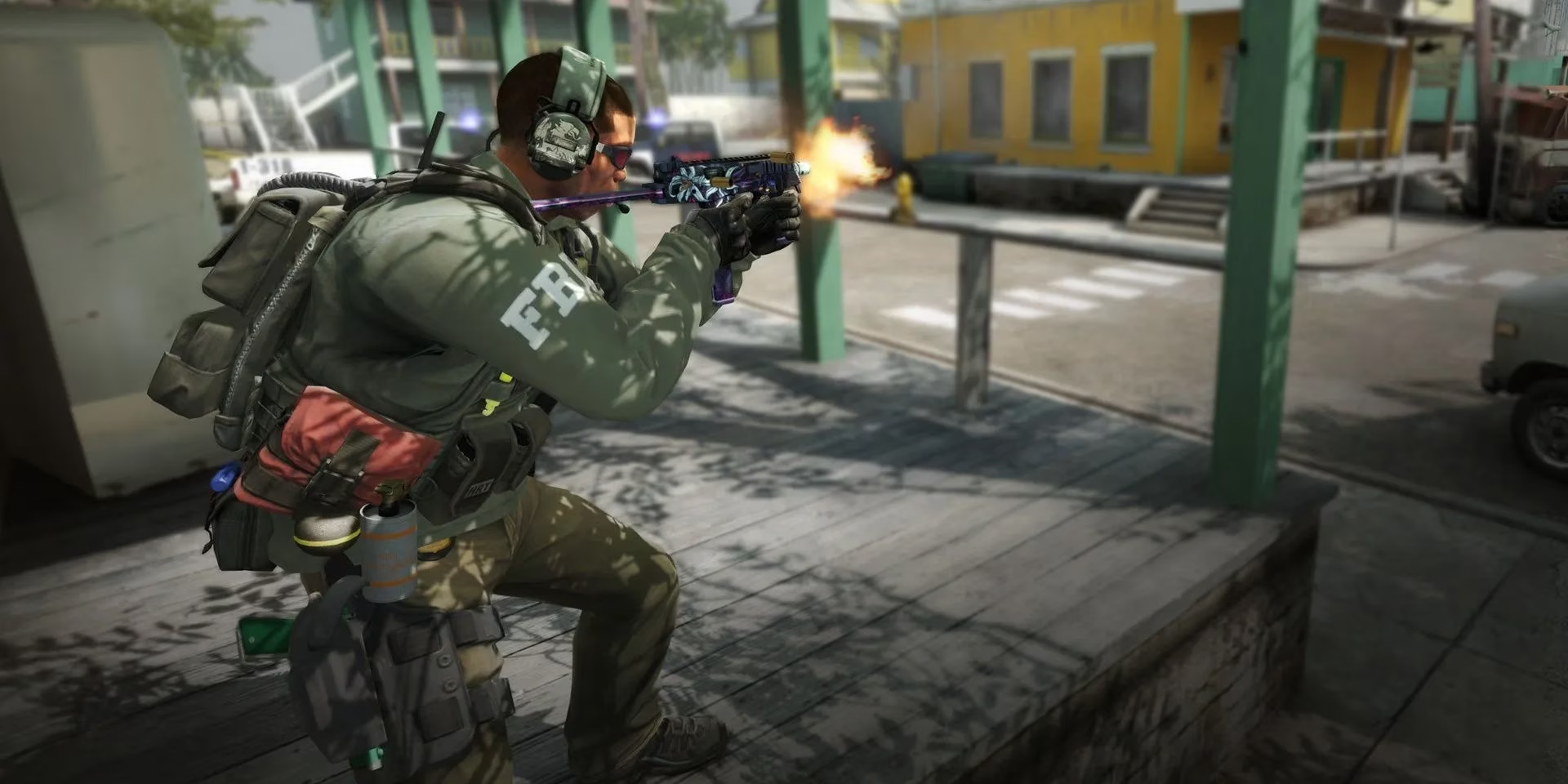
When I first started playing competitively, I was that player who would rush B alone with an AWP, hoping to catch the enemy team off guard. Did it work occasionally? Sure. Was it a reliable strategy that helped my team win consistently? Absolutely not.
The harsh reality is that lone wolves rarely survive in the CS ecosystem. Even the most skilled players understand that trading kills, executing site takes together, and coordinating utility usage are what separate the amateurs from the professionals. Wouldn't you rather be remembered as the teammate who secured the round win rather than the one who died trying to pad their stats?
The Silent Treatment
"Enemy spotted at B!" I shout into my microphone, only to realize I'm the only one communicating. Sound familiar?
Communication might be the most undervalued skill in Counter-Strike. I've lost count of how many winnable rounds turned into disasters because someone didn't call out an enemy position or failed to share that they were rotating.
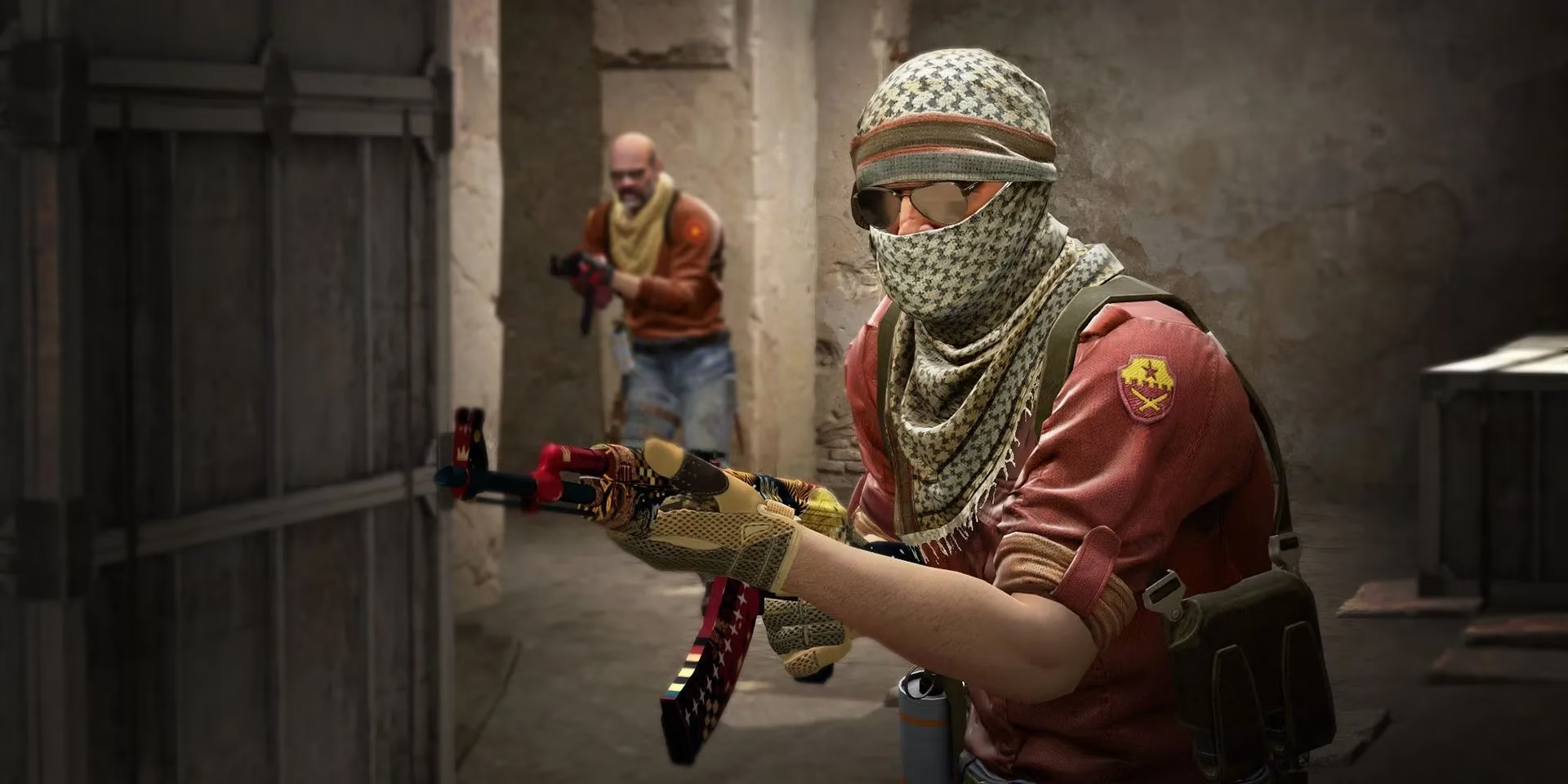
The game provides multiple ways to communicate—text chat for specific callouts and voice chat for real-time coordination. Yet I'm constantly amazed by how many players in 2025 still play this team-based shooter without uttering a single word.
I've made it a personal rule: if I die, I immediately call out:
-
Where the enemy was
-
How much damage I dealt
-
What weapon they're using
-
Any relevant information about their position
This simple habit has helped my teams win countless rounds that would otherwise have been lost. After all, isn't information just as powerful a weapon as an AK-47 in the right hands?
The Shadow Lurker
We all know that player—the one who finds the darkest corner of the map and waits... and waits... and waits. I'll admit, I've been that player more than once, especially when playing defensively on CT side.
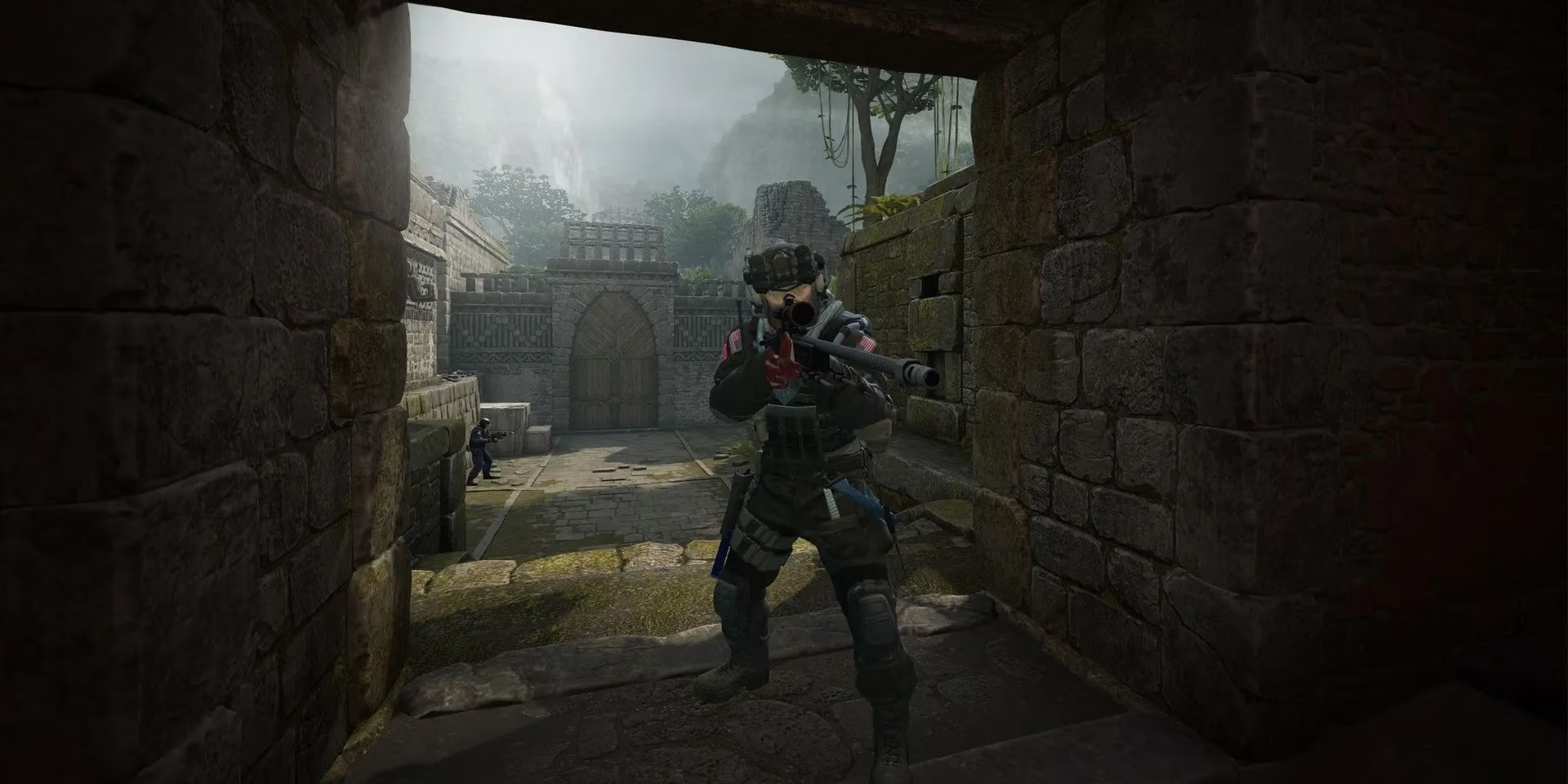
Is camping a legitimate strategy in CS:GO? Absolutely. Is it always the right play? That's where things get complicated.
I've learned through experience that position-holding and lurking are essential skills, but they must be deployed strategically. Camping the same spot round after round is predictable and easily countered by experienced players. The most effective lurkers constantly adapt their positions based on:
-
Enemy tendencies
-
Round economy
-
Team strategy
-
Time remaining
What separates a tactical position-holder from a predictable camper is movement and purpose. Are you holding that angle because it's critical to your team's strategy, or because you're afraid to engage? The answer to that question often determines whether you're helping or hindering your team's chances of success.
The Economic Crisis
"I'll buy an AWP this round." Those words, spoken during an eco round, have preceded many a team collapse in my CS:GO career.
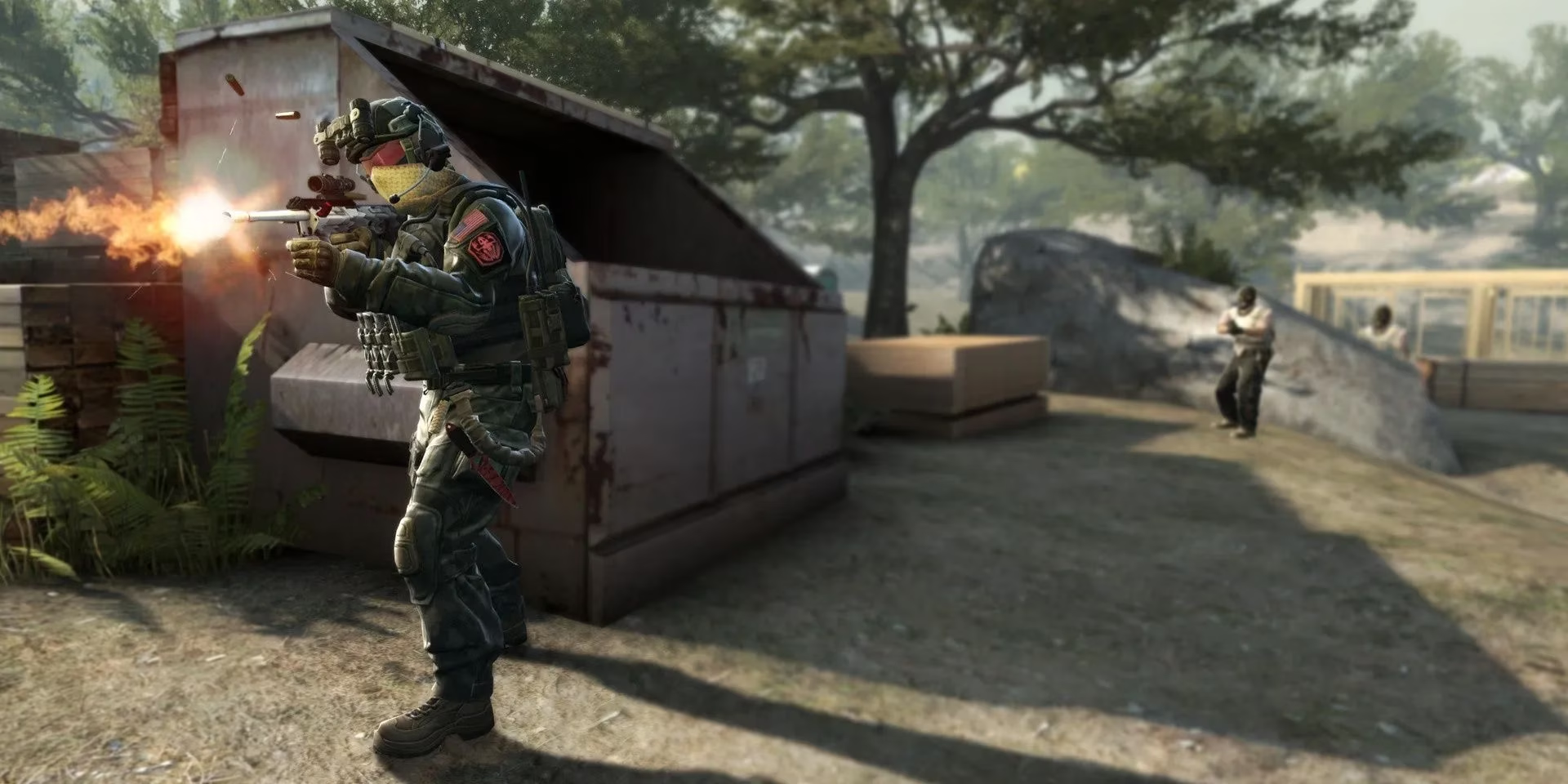
The economic system in Counter-Strike is brilliantly designed to force strategic decisions. Yet how many times have you seen teammates splurge on expensive weapons when the team can barely afford armor? I certainly have—and I've been guilty of it myself.
The discipline to save money when necessary is what separates good teams from great ones. I've developed a simple set of economic principles that have served me well:
-
Never buy alone—coordinate purchases with your team
-
Full buy or eco together—half-buys rarely work
-
Consider utility before upgrading weapons
-
Save for AWPs only when your economy can support it
Remember, that $4,750 AWP might get you a kill or two, but if your team loses the round because they couldn't afford proper equipment, was it really worth it? Wouldn't a coordinated team with rifles be more effective than one player with an AWP and four with pistols?
The Rambo Approach
"Rush B, don't stop!" These words have echoed through voice chat since the dawn of Counter-Strike. And sometimes, against all logic, it works.
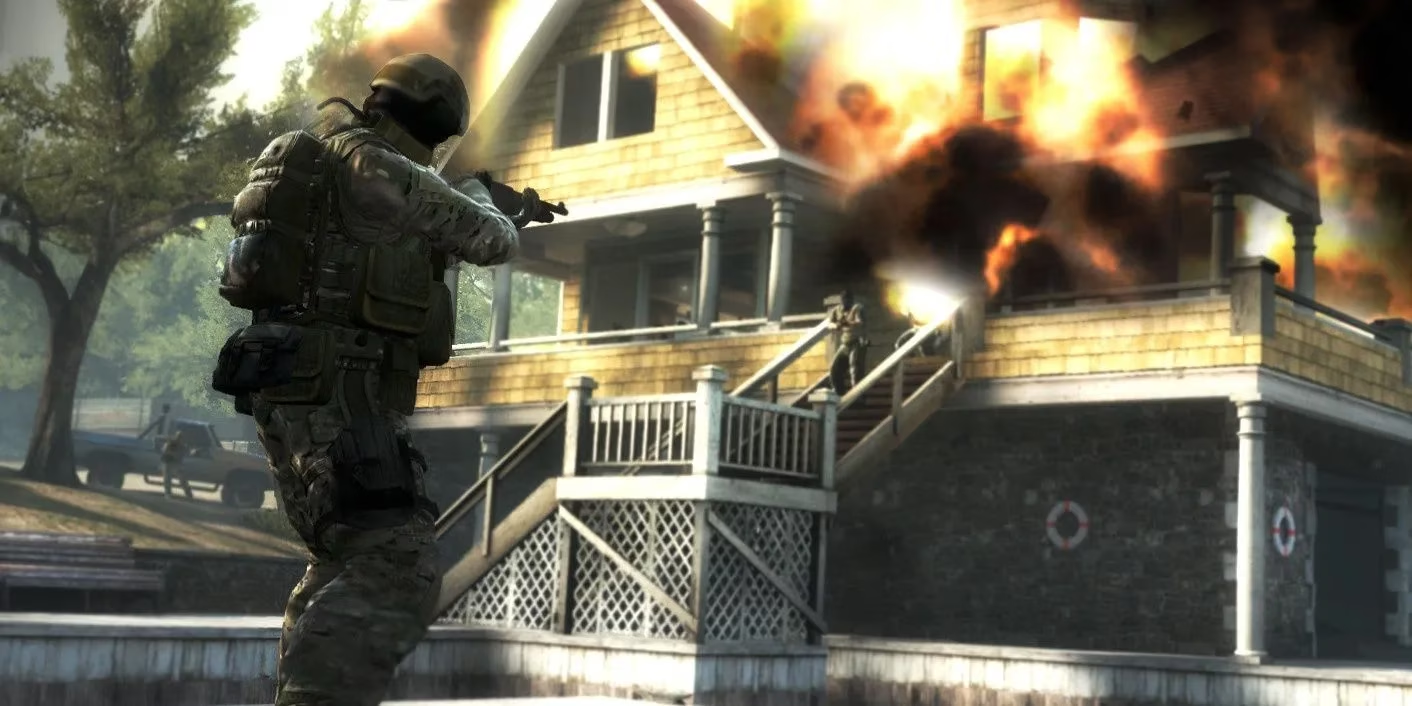
I've witnessed (and participated in) countless rounds where pure aggression and brute force somehow overcame tactical superiority. It's the Counter-Strike equivalent of button-mashing in a fighting game—occasionally effective, but never reliable.
The problem isn't that aggression doesn't work—it's that many players never move beyond this basic approach. They never learn the subtle timing of executes, the power of proper utility usage, or the psychological game of fakes and rotations.
In my journey from silver to global elite, I've learned that brute force has diminishing returns. The higher you climb, the less effective pure aggression becomes. What worked against beginners fails miserably against experienced players who understand positioning, crossfire setups, and utility usage.
Finding Balance
What makes Counter-Strike endlessly fascinating in 2025 is the same thing that made it compelling when it first launched—the perfect balance between mechanical skill and tactical thinking. The best players aren't just those with the fastest reflexes or the most accurate aim; they're the ones who understand when to be aggressive and when to be patient, when to save and when to spend, when to lurk and when to push.
After all these years, I'm still learning and adapting my playstyle. The habits I've described aren't inherently good or bad—they're tools in your arsenal that must be deployed thoughtfully. The key is understanding the context in which each approach works best.
So the next time you load into Dust II or Mirage, ask yourself: Am I playing this way because it's effective, or because it's comfortable? The answer might just be the difference between ranking up and staying stuck in your current skill group.
What habits have you developed in your Counter-Strike journey? And more importantly, are they helping or hindering your progress? 🎮