CS:GO Reaches Historic Milestone with 1 Million Concurrent Players
Counter-Strike: Global Offensive's unprecedented player growth and enduring popularity make it a global gaming phenomenon redefining the industry.
The legendary first-person shooter Counter-Strike: Global Offensive has achieved a remarkable feat that few games in the industry can claim. The game has not only maintained its relevance years after its initial release but has experienced unprecedented growth in its player base, reaching new heights that have surprised even veteran observers of the gaming industry.
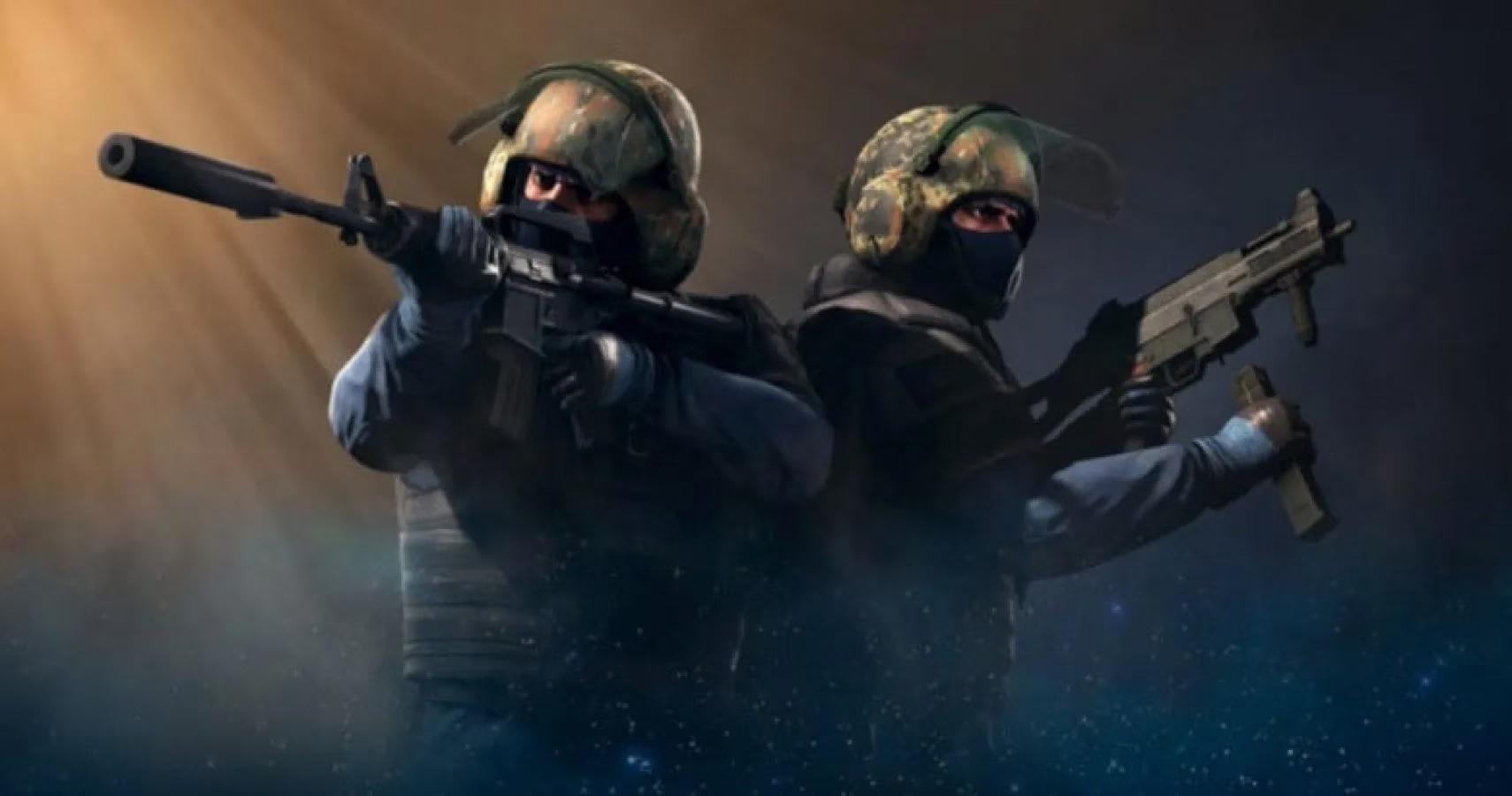
The Evolution of a Gaming Phenomenon
Counter-Strike's journey from a modest Half-Life modification to a global gaming sensation represents one of the most successful transformations in video game history. What started as a community-driven project has evolved into a competitive powerhouse that attracts millions of players monthly. The game's core mechanics—rescuing hostages and defusing bombs—have remained fundamentally unchanged, yet the experience continues to captivate both newcomers and veterans alike.
The staying power of Counter-Strike demonstrates the timeless appeal of well-crafted gameplay mechanics and competitive balance. While many games struggle to maintain player interest beyond their first year, CS:GO has defied conventional wisdom by growing stronger with age.
Unprecedented Player Growth
The numbers tell a compelling story of sustained success. Since late 2015, CS:GO maintained a steady monthly average of approximately 350,000 concurrent players. This baseline represented impressive consistency for any game, but what happened next exceeded all expectations. The player count began an extraordinary upward trajectory that would redefine the game's position in the competitive gaming landscape.
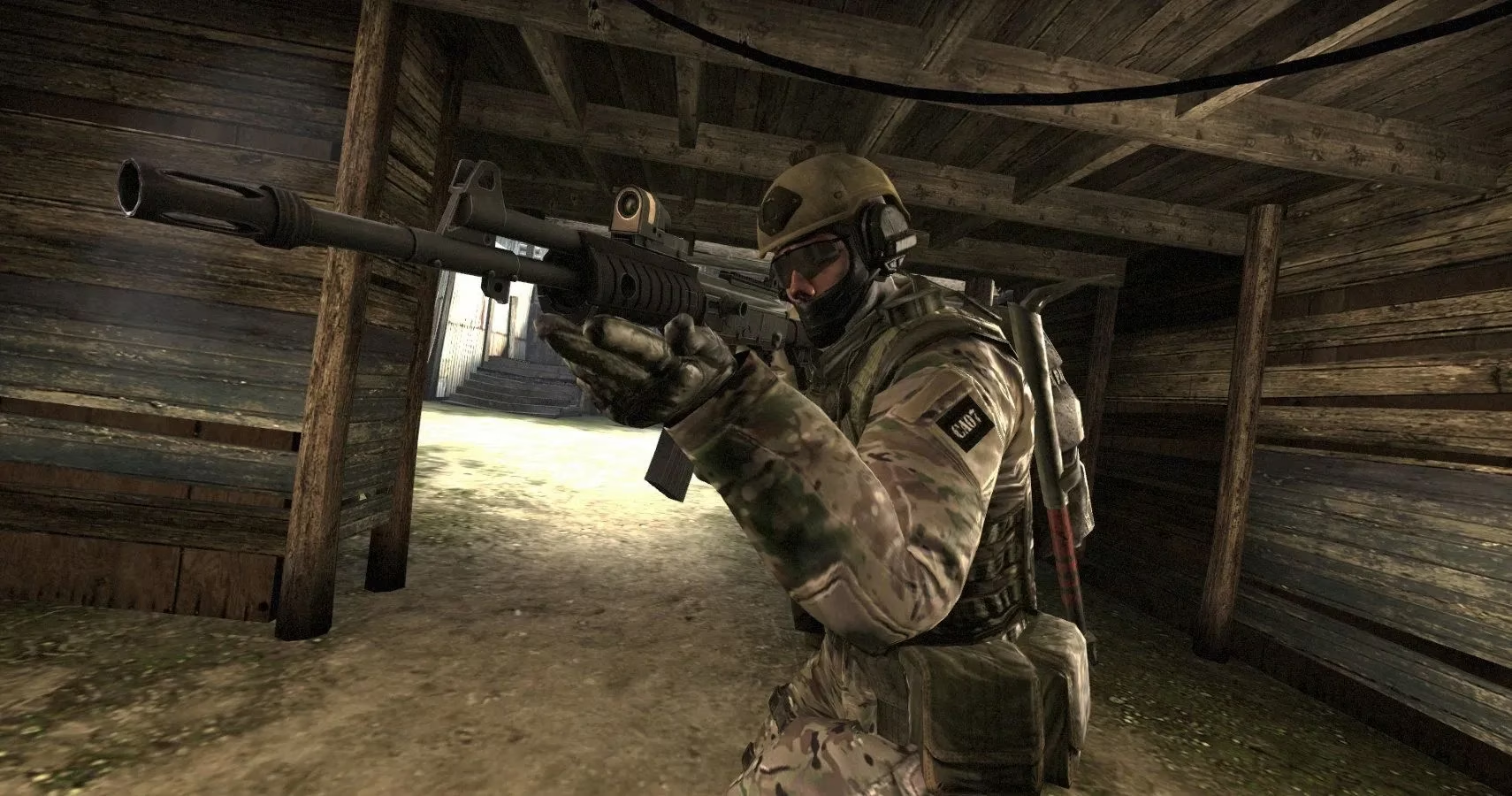
Recent data reveals the magnitude of this growth. The game surpassed 900,000 concurrent players in one month, then quickly broke through the million-player barrier. The peak concurrent player count reached an astounding 1,023,229 users—an all-time record that cemented CS:GO's status as a gaming juggernaut. These weren't isolated spikes but part of a sustained trend that reflected genuine growth in the game's community.
Statistical Breakdown of Success
The monthly average player count provides even more insight into CS:GO's expansion. Comparing data from May 2019 to recent periods reveals a staggering 50% increase in average monthly players. The numbers jumped from 364,417.3 to 588,532.2 over this timeframe, representing organic growth that most game developers can only dream of achieving.
Perhaps most impressively, the total number of active players reached over 20 million in a single month. To put this in perspective, this figure equals the entire population of New York City simultaneously engaging with the game. Such widespread participation demonstrates CS:GO's universal appeal across different demographics and regions.
The Catalyst for Growth
While CS:GO's quality and competitive scene laid the groundwork for success, external factors accelerated its growth trajectory. The global coronavirus pandemic, which began spreading from Wuhan in late 2019, fundamentally altered how people spent their time. As governments worldwide implemented lockdown measures and stay-at-home orders, millions of people sought entertainment and social connection through digital means.
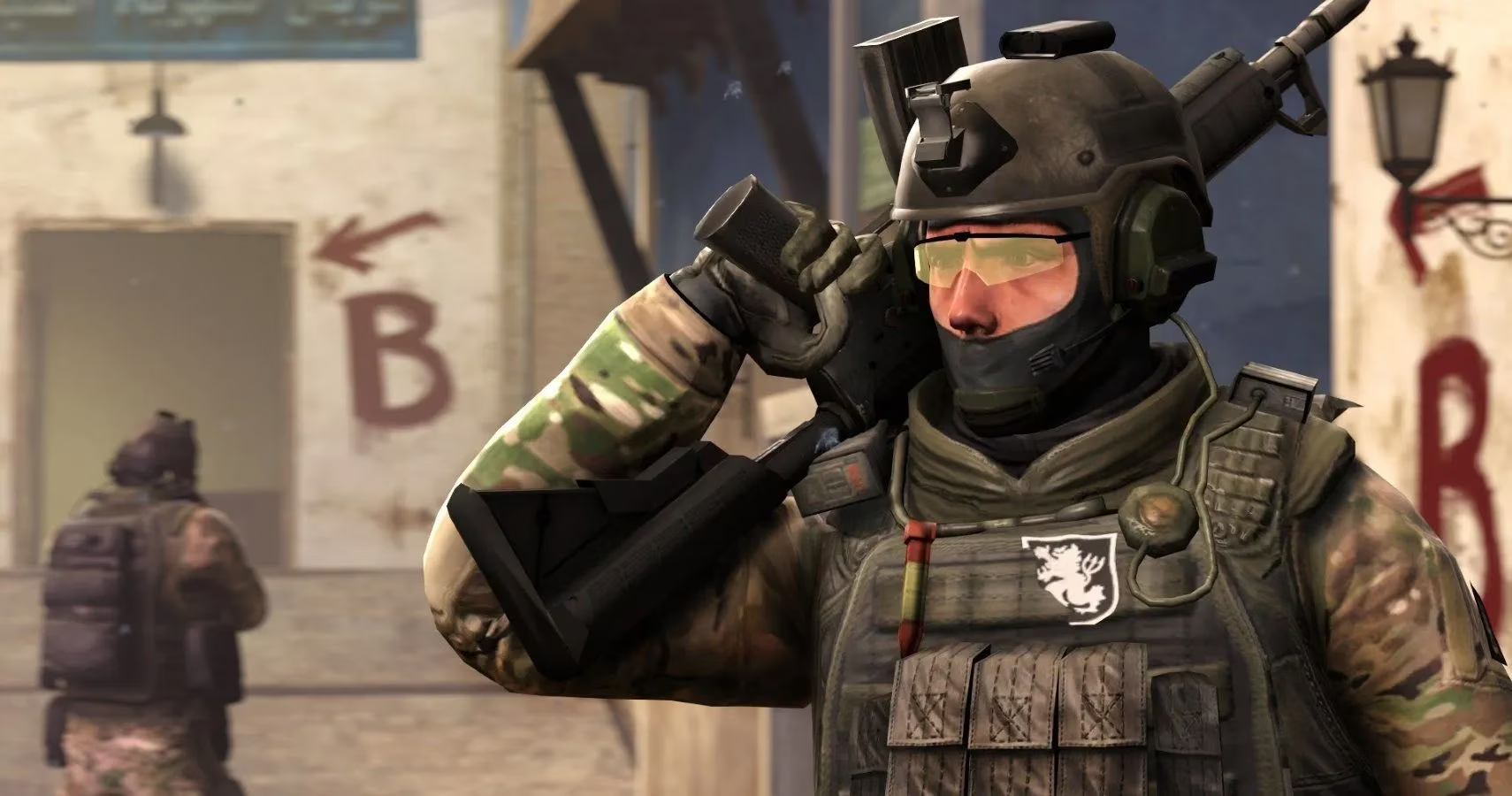
Video games emerged as the perfect solution for quarantined individuals seeking both entertainment and social interaction. CS:GO, with its established reputation as Steam's premier multiplayer experience, naturally attracted players looking for competitive gameplay during lockdown periods. The game's team-based mechanics provided a sense of community and cooperation that many people craved during isolation.
A Broader Gaming Trend
CS:GO wasn't alone in experiencing pandemic-driven growth. The phenomenon extended across multiple popular titles, each benefiting from increased time spent at home. Games like Rainbow Six Siege, Grand Theft Auto V, Ark: Survival Evolved, and Dota 2 all saw significant player count increases during this period.
This trend highlighted several important factors:
-
Established multiplayer games with strong communities were best positioned to capitalize on increased gaming time
-
Free-to-play or accessible titles attracted players looking for entertainment without significant financial investment
-
Games with competitive elements provided goals and progression systems that kept players engaged long-term
-
Social features became increasingly important as people sought connection during isolation
The Competitive Ecosystem
CS:GO's professional scene has played a crucial role in maintaining player interest and attracting new audiences. The game's esports ecosystem, featuring organizations like ESL, has adapted to changing circumstances by implementing regional online divisions for professional play. This flexibility ensured that competitive Counter-Strike continued even when in-person events became impossible.
The professional scene serves multiple purposes for the game's health:
-
Inspiration for casual players who watch professional matches and attempt to emulate strategies
-
Content creation opportunities for streamers and content creators
-
Community engagement through tournaments and events
-
Ongoing development as professional feedback influences game balance
Long-term Implications
The sustained growth of CS:GO raises interesting questions about the future of competitive gaming. The game has demonstrated that with proper support, community engagement, and quality gameplay, titles can maintain relevance far beyond typical industry expectations. This success story provides valuable lessons for game developers and publishers:
Quality over novelty: CS:GO's core gameplay has remained largely consistent, proving that solid fundamentals trump constant reinvention.
Community investment: The game's thriving community, from casual players to professional competitors, creates a self-sustaining ecosystem.
Accessibility: CS:GO's free-to-play model removes barriers to entry while monetizing through cosmetic items.
Competitive integrity: Regular updates and balance changes maintain fairness and keep the meta fresh.
The Steam Dominance
CS:GO's position as Steam's most popular multiplayer game isn't accidental. The platform integration provides seamless matchmaking, community features, and marketplace functionality that enhances the overall experience. This symbiotic relationship between game and platform has contributed significantly to CS:GO's longevity and growth.
The Steam Workshop allows community members to create and share content, from custom maps to weapon skins. This user-generated content keeps the game fresh and provides economic opportunities for talented creators. The marketplace for cosmetic items has become a significant aspect of the CS:GO experience, adding a collection and trading element that extends beyond pure gameplay.
Looking Forward
As we move further into 2026, CS:GO's trajectory suggests continued success. The game has proven resilient through changing market conditions, evolving player preferences, and unprecedented global events. While the pandemic-driven surge may eventually normalize, the foundation built during this period—expanded player base, strengthened community, and enhanced infrastructure—positions CS:GO for sustained success.
The game's ability to attract and retain players years after release challenges conventional wisdom about game lifecycles. It demonstrates that with the right combination of gameplay quality, community support, and adaptive management, games can achieve longevity that extends far beyond initial expectations.
Conclusion
Counter-Strike: Global Offensive's achievement of over one million concurrent players represents more than just a statistical milestone. It symbolizes the enduring appeal of competitive gaming, the power of community-driven experiences, and the potential for games to grow and evolve long after their initial release. As the gaming industry continues to evolve, CS:GO stands as a testament to the timeless appeal of well-crafted competitive gameplay and the importance of fostering engaged, passionate communities. The game's success story will likely influence game development and community management strategies for years to come, serving as a blueprint for creating lasting gaming experiences in an increasingly crowded market.